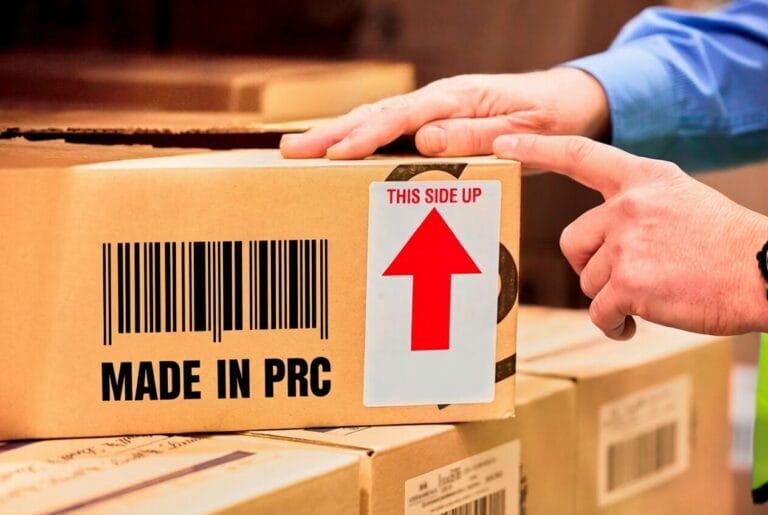
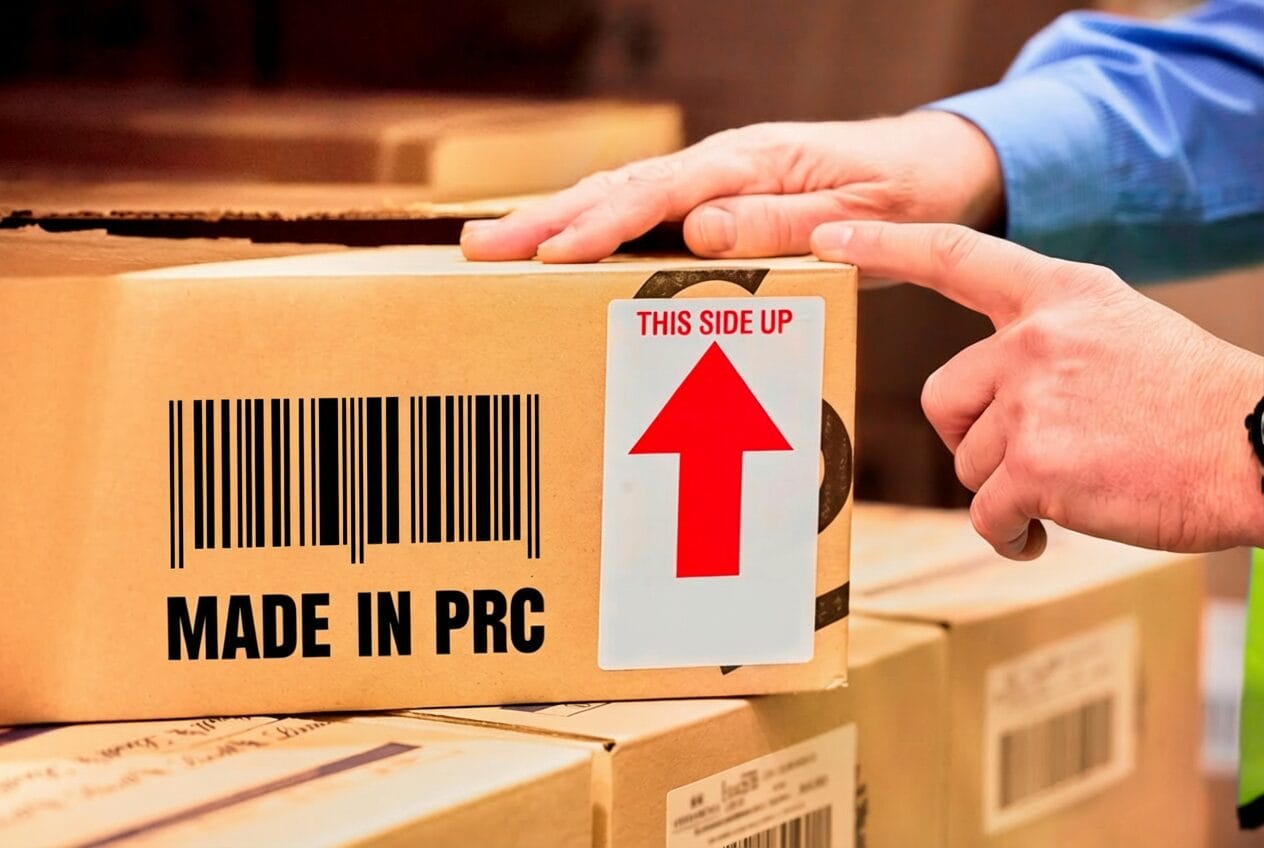
When you look at a product label, you may see made in PRC instead of the more familiar “Made in China.” If you’re not sure what this wording means, you’re not alone. Many people wonder whether made in PRC means something different, whether it’s legal, or if it could cause problems later.
At first glance, PRC can look like a separate place or a way to avoid saying China directly. This raises questions about transparency, customs checks, and product trust. While the wording is technically correct, it can still create confusion depending on where the product is sold.
In this article, we’ll explain the made in PRC meaning, how it compares to “Made in China,” why some manufacturers use it, and when this wording can create issues under labeling rules in major markets.
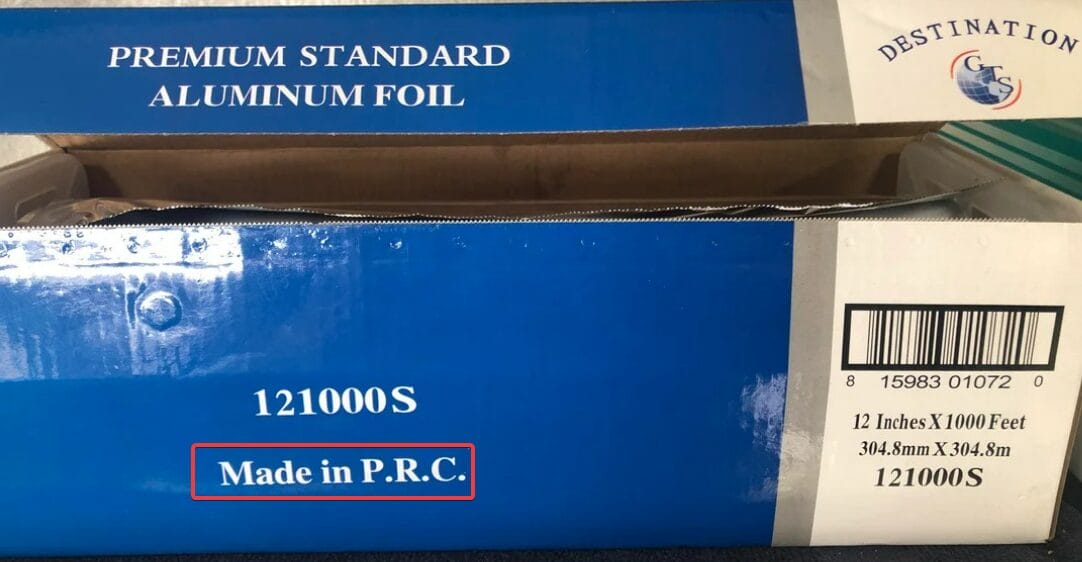
What Does “Made in PRC” Mean?
The PRC meaning is People’s Republic of China, which is China’s official country name. When a product is labeled made in the PRC, it means the item was manufactured in mainland China. There is no difference in manufacturing location between “Made in PRC” and “Made in China.”
The wording does not describe factory standards, production methods, or compliance level. It only states the country of origin. Confusion usually comes from unfamiliarity with the abbreviation, not from the meaning itself.
Made in PRC vs Made in China
Both labels refer to the same country, but they are not always treated the same way in practice. “Made in China” is immediately understood by most buyers and regulators. “Made in PRC” can be unclear to people who are unfamiliar with the abbreviation, which may lead to hesitation or questions.
The table below breaks down the differences between “Made in PRC” and “Made in China.”
| Made in PRC | Made in China | |
| Label Explanation | Uses the abbreviation People’s Republic of China to indicate Chinese manufacturing, rather than stating the country name directly | Clearly states that the product was manufactured in China, without abbreviations |
| Consumer Interpretation | May confuse some customers or feel indirect if they are unfamiliar with what PRC means | Immediately understood by most consumers as indicating Chinese origin |
| Customs & Legal Clarity | Can create compliance risk in some markets if authorities require the country name “China” to be written in full | Widely accepted by customs authorities because it explicitly states the country of origin |
| Risk During Import | Higher risk of delays, relabeling requests, or clarification if the label is considered ambiguous | Lower risk, as the origin is clear and rarely questioned during import checks |
| Recommendation Use | Not recommended unless you’ve confirmed it complies with the destination market’s labeling rules | Generally recommended for international trade due to clarity and broad acceptance |
Because origin labels are often reviewed quickly, wording that clearly spells out the country name is less likely to raise concerns. While made in PRC is technically accurate, it can sometimes attract extra attention simply because it is less common.
The difference is not about correctness — it’s about clarity.
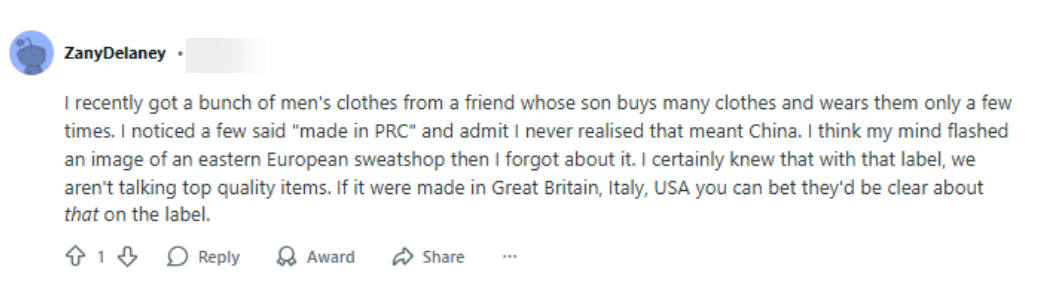
Why Some Manufacturers Use “Made in PRC”
Even though “Made in PRC” and “Made in China” mean the same thing, some manufacturers choose the PRC wording for practical or perception-related reasons.
One common reason is market perception. In some regions, “Made in China” carries strong associations, and manufacturers may believe that using “PRC” sounds more neutral or formal. While this does not change the product’s origin, it can affect how the label is read at first glance.
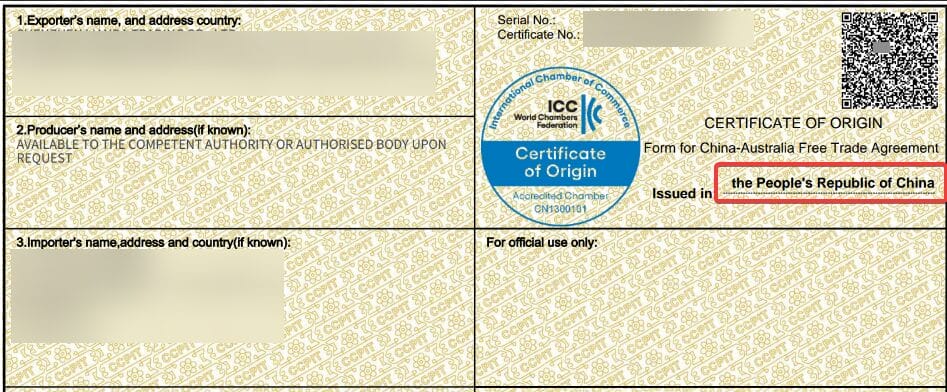
Another reason is formal usage. People’s Republic of China is often used in contracts, export documents, and official paperwork, which can influence how country names appear on product labels.
In addition, PRC is not instantly recognized by everyone. Some manufacturers assume this can delay snap judgments about origin. In certain cases, especially with smaller shipments, less common wording may also receive less immediate attention.
These reasons explain why the wording appears, but they do not guarantee that it will be accepted under labeling rules in every market, especially if you’re evaluating product sourcing in China.
Is “Made in PRC” Legal Under Labeling Rules?
Whether made in PRC is legal depends on where the product is sold and how origin labeling rules are applied in that market.
Most countries require labels to clearly state where a product was made. The key issue is not whether PRC is technically correct, but whether the wording clearly communicates “China” to buyers and authorities.
Across markets, clarity matters more than abbreviations. If a label is unclear or unfamiliar, it may be questioned.
United States
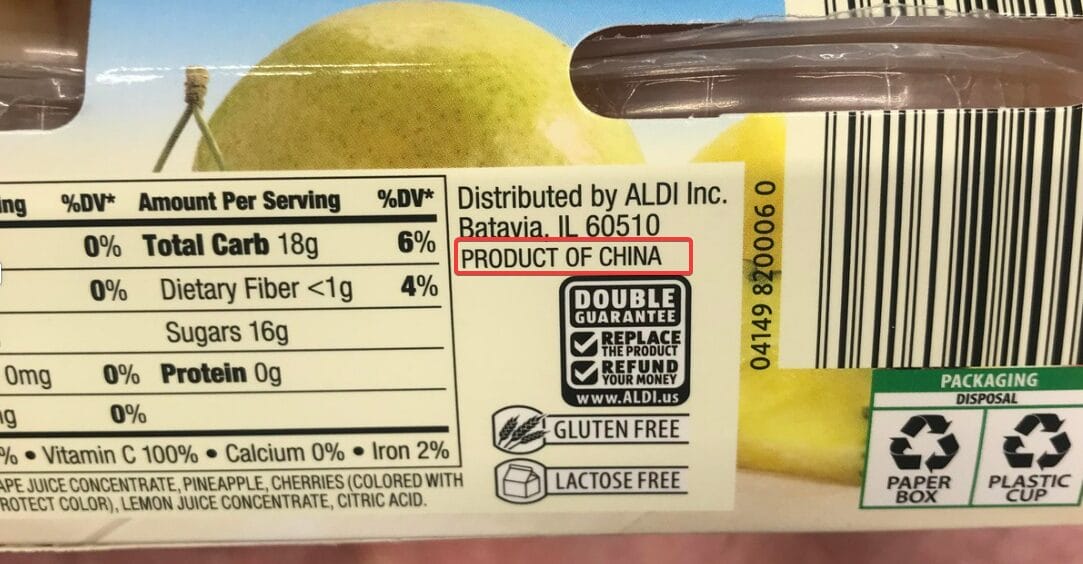
In the United States, country-of-origin marking is governed by the Tariff Act of 1930. Imported products must clearly state their country of origin in English so the end buyer can easily understand it.
In practice, labels such as “Made in China” or “Product of China” are the safest options. Labels that rely only on PRC may be questioned because the abbreviation does not clearly spell out the word “China.”
If a label is considered unclear, products may be delayed or required to be relabeled before they can be released.
European Union
The European Union does not have one single origin-labeling rule that applies to all products. Instead, origin information is handled through consumer protection laws and product-specific regulations, with enforcement carried out by individual member states.
The main requirement is that labels must not mislead buyers. This is especially important for products such as food, clothing, footwear, and consumer goods, where country of origin can influence purchasing decisions.
While made in PRC is not automatically banned across the EU, unfamiliar or unclear wording can still raise concerns from regulators or retailers, particularly in countries with stricter enforcement.
Australia
In Australia, country-of-origin labeling falls under the Australian Consumer Law (ACL). Product labels must not be false, misleading, or confusing to consumers.
Because PRC is not commonly used or recognized by most buyers, relying on made in PRC alone can create unnecessary risk. Clear wording such as “Made in China” is generally the safer option for products sold in Australia.
Other Countries
In many other markets including Canada, Japan, Southeast Asia, and parts of the Middle East, country-of-origin rules also focus on clear and non-misleading labeling. While enforcement levels vary, authorities generally expect the country name to be easily understood by buyers.
Because “PRC” is not widely used in everyday language, it can still raise questions even in countries where rules are less strict. As a result, many businesses choose to use “Made in China” across all markets to keep labeling consistent and reduce the risk of confusion.
How Common Is “Made in PRC” Used?
There is no official global data tracking how often different country-of-origin wordings are used on product labels. However, based on industry observations and common market practices, “Made in China” remains far more common than “Made in PRC” on retail products in the U.S. and Europe.
“Made in PRC” is most often seen on electronics, accessories, and private-label products, particularly in cross-border e-commerce, where labels may receive less attention from end buyers. In contrast, Asian markets and domestic Chinese sales tend to use more formal country names, including “People’s Republic of China,” especially in documentation rather than consumer-facing labels.
Because usage varies by product type, sales channel, and destination market, many businesses standardize labeling with “Made in China” to reduce confusion and support regulatory compliance, particularly when selling across multiple regions.
Which China-Origin Labels Are Safest to Use?
When choosing a country-of-origin label, the goal is not just technical accuracy, but lowest risk in real-world checks. Authorities, retailers, and buyers look for wording that is immediately clear and familiar.
Labels that spell out the country name reduce interpretation and are less likely to be questioned late in the process.
Lowest risk (clearest and most widely understood):
- Made in China
- Product of China
These labels are familiar to buyers and commonly accepted across major markets.
Generally accepted but less common:
- People’s Republic of China (written in full)
- China, P.R.
These are technically correct but longer or less familiar in consumer-facing contexts.
Higher risk due to ambiguity:
- PRC / P.R.C.
- Made in PRC
While accurate, these rely on abbreviations that are not universally recognized, which can lead to questions or relabeling requests.
Because labeling issues are often discovered late — during inspections or retail onboarding — many businesses choose the lowest-risk wording from the start to avoid delays and rework.
Final Thoughts
“Made in PRC” simply means a product was made in China, but the wording can affect how clearly that origin is understood in different markets. In most cases, spelling out “China” is the safer choice to avoid confusion or delays.
Sphere Resources helps businesses source products from China end to end, covering suppliers, labeling requirements, and quality control. Contact us to get started.